Multidisciplinaire Design Magazine Curating Narratives and Impactful Ideas
Multidisciplinaire Design Magazine Curating Narratives and Impactful Ideas

When it comes to the future of furniture design, location matters specially for Peter Mabeo, the Botswana-based designer who has spent the last two decades carving out a distinct space for African craftsmanship on the global stage. After 25 years in Gaborone, Mabeo relocated his namesake Mabeo Studio to the quiet outskirts of the capital. That calm has translated into space for experimentation, where Mabeo and his team of 20 artisans explore how local craft and African heritage can shape contemporary furniture.
For Mabeo, the collaboration was never just about objects — it was about human connections. “I didn’t want to just employ the materials for the sake of it, but to engage with the craftspeople who are still custodians of these techniques,” he explains to Wallpaper. The result is a body of work that feels like a map of craft in Botswana, blending basketry, metalwork, joinery, and weaving into pieces that resonate globally while remaining deeply local.
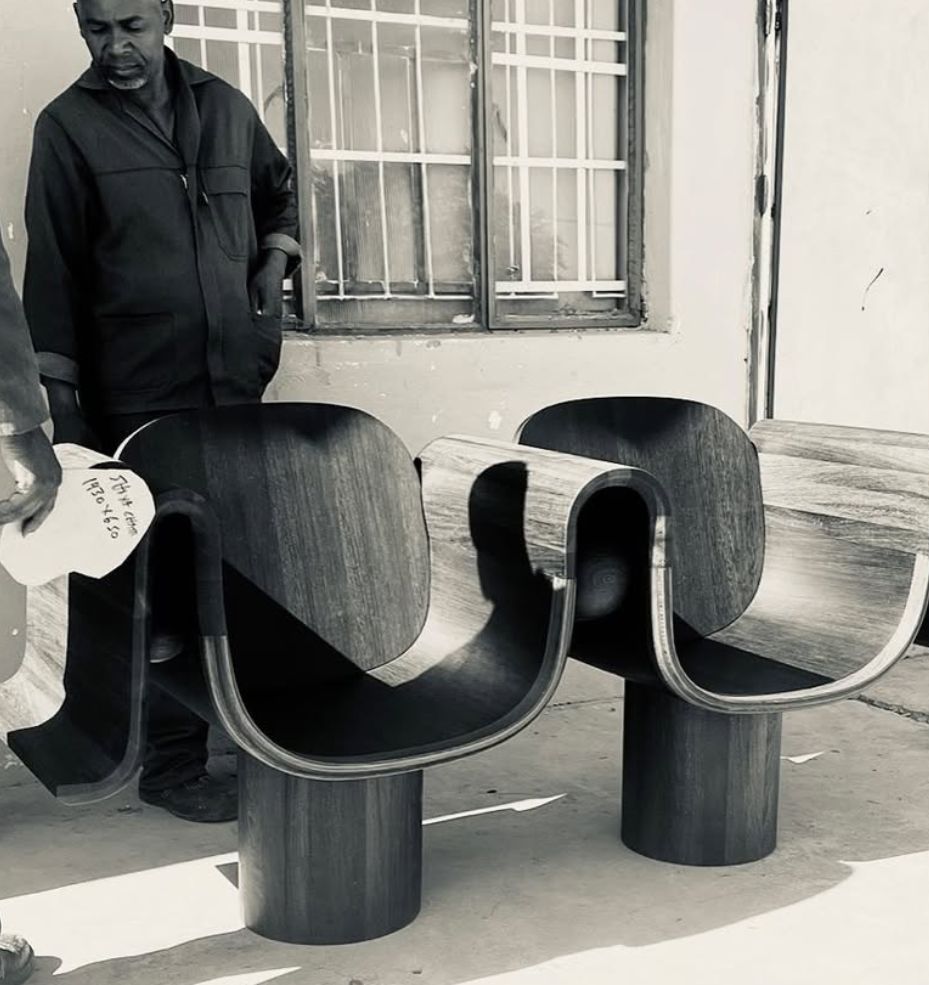
Part of what makes Mabeo’s work so compelling is the way it’s presented. His studio, housed in a former general dealer outside Gaborone, often works outdoors when the season allows, with products photographed in natural light, handled and used in real life. This authentic, unpolished documentation has become a hallmark of the brand.
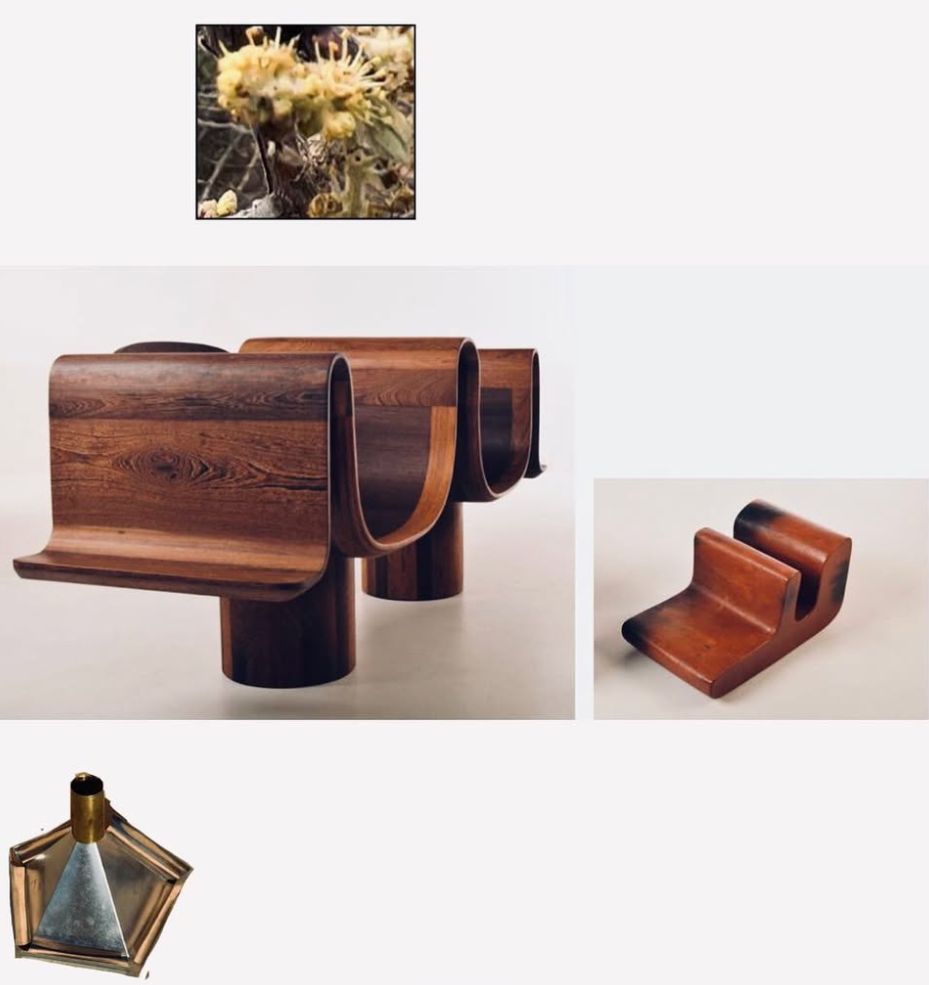
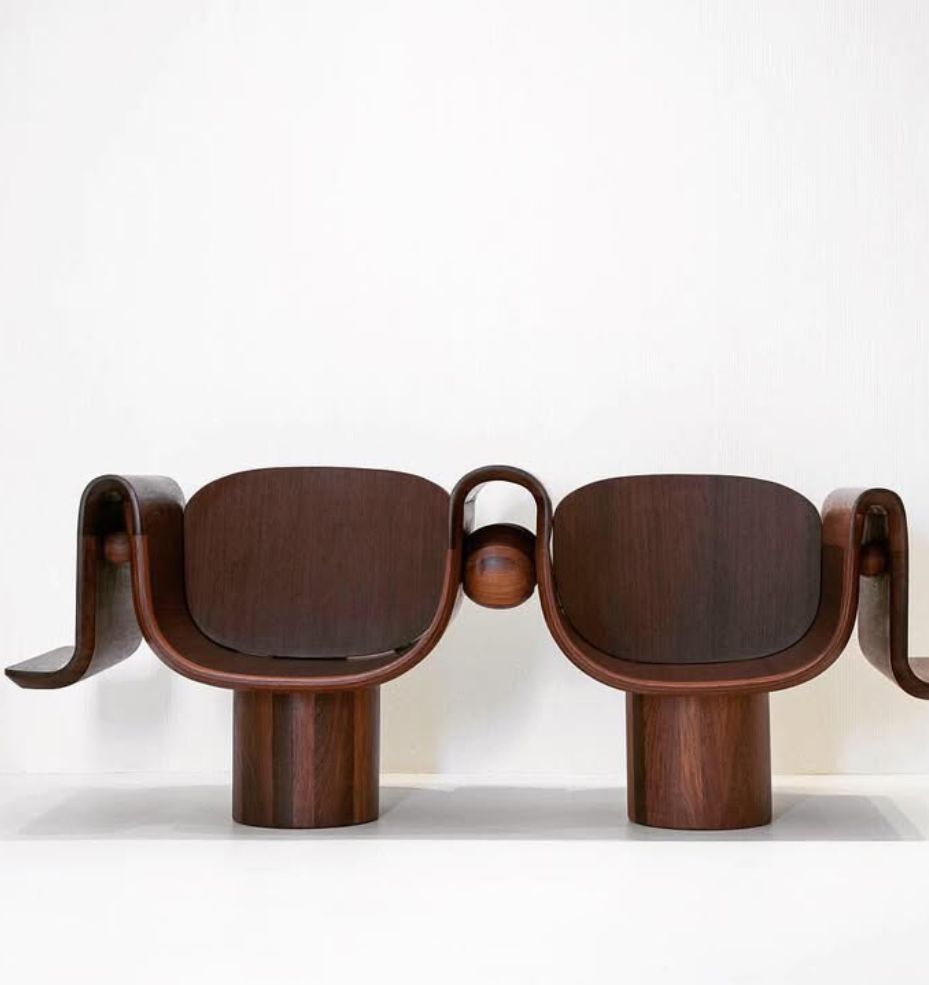
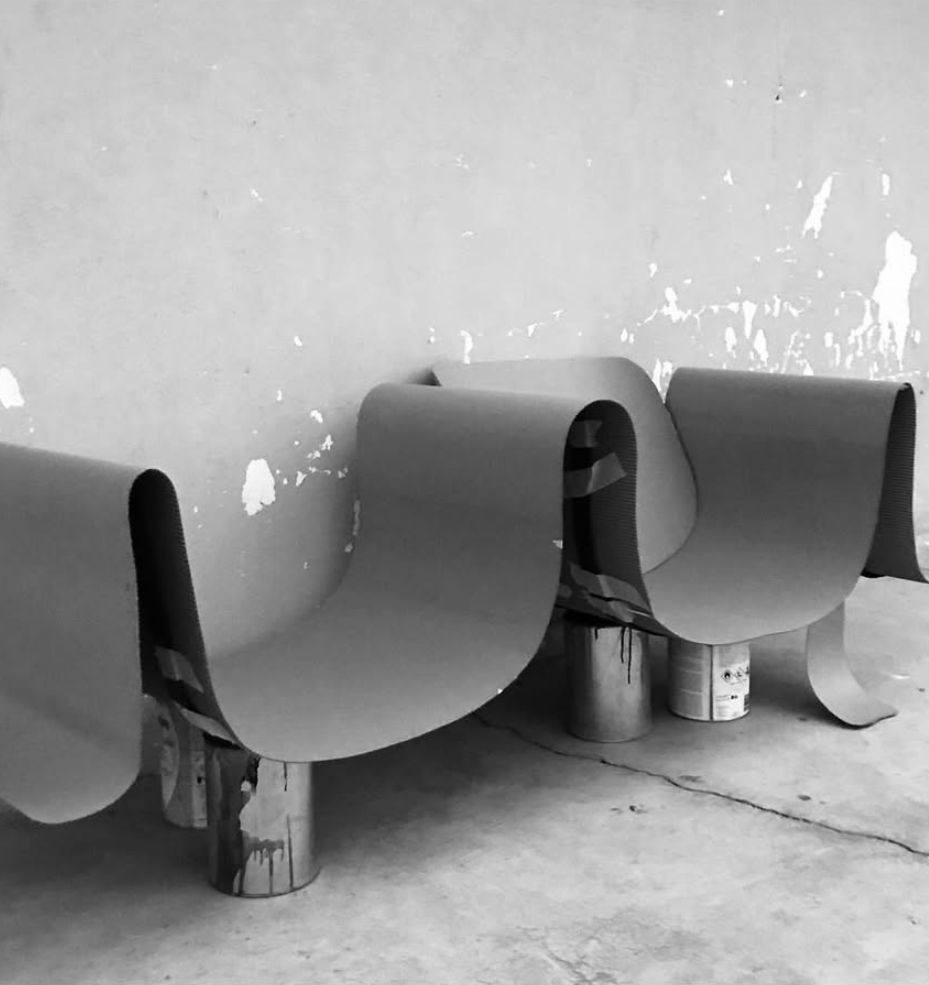
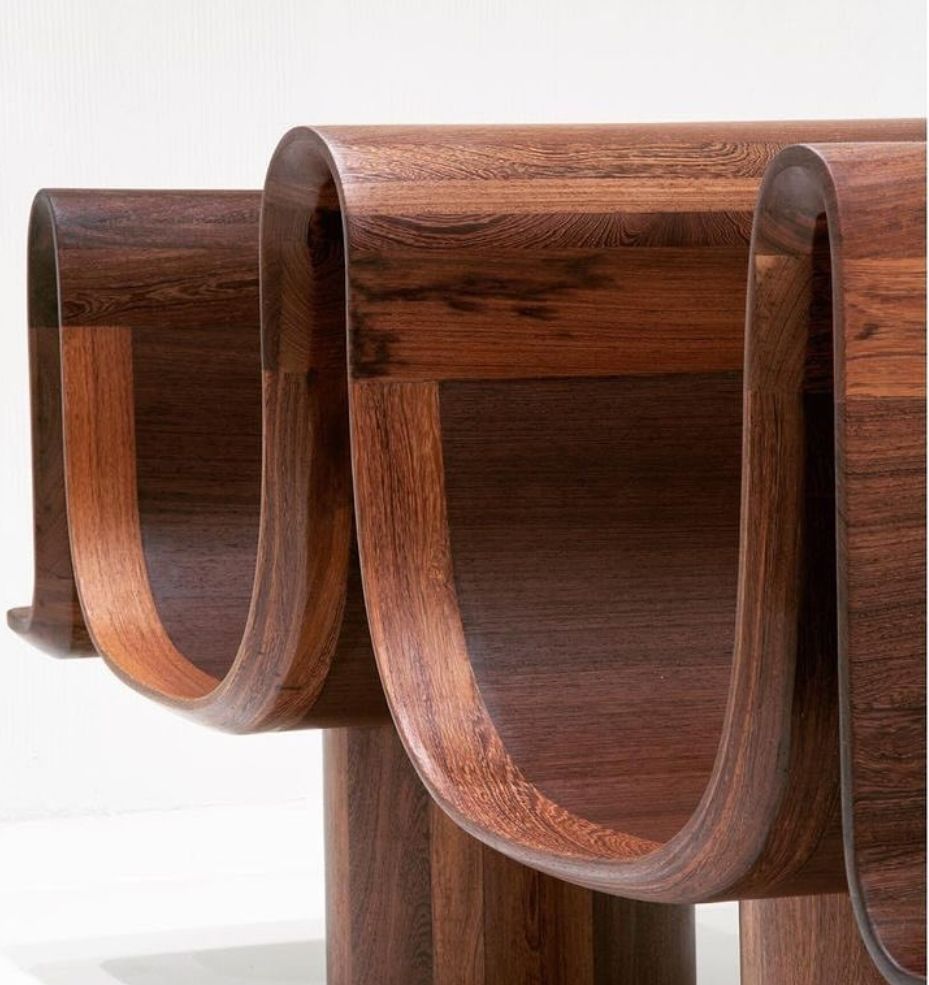
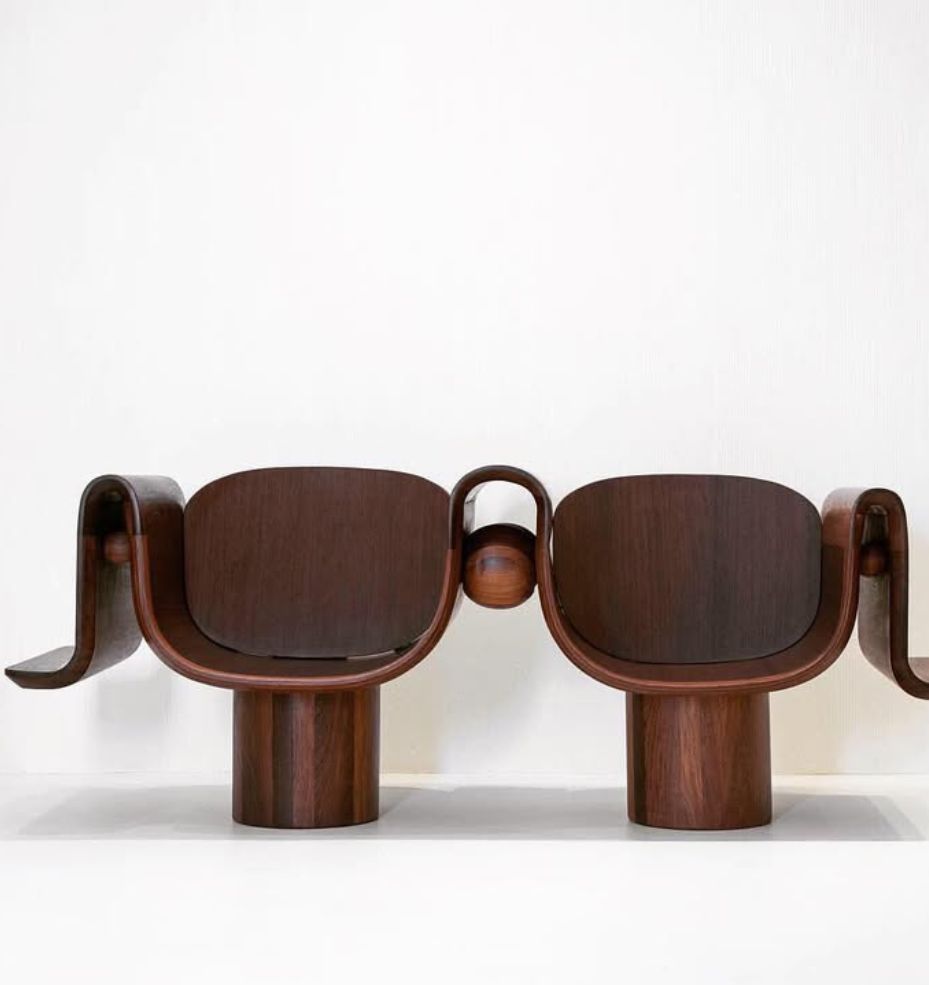
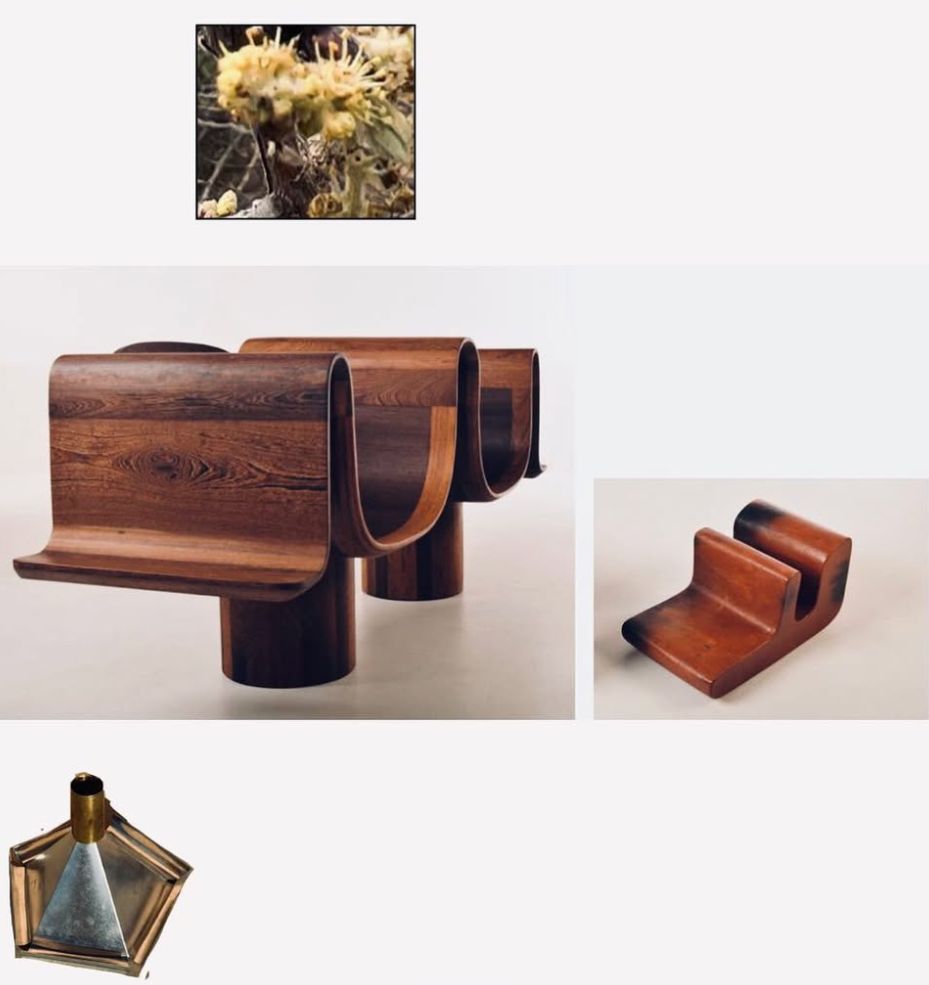
The limited-edition Shiya bench crafted for Fendi, Mabeo’s work strikes a delicate balance between simplicity, heritage, and global relevance.
For Peter Mabeo, success isn’t measured by high-profile collaborations or luxury placements. “The most significant milestone,” he says, “is having developed a good sense of how it is possible, and to have integrity” says Peter to wallpaper.
By staying rooted in Botswana while engaging with international designers and brands, Mabeo proves that African design is not only part of the global conversation, it’s helping shape its future. His work is a reminder that patience, instinct, and heritage can be as powerful as innovation, offering a new blueprint for what furniture can be.